


Many educators work with students who are facing significant adversity. These experiences may include abuse, neglect, parental loss, or mental illness, as well as circumstances such as war or conflict, persecution, displacement, homelessness, and other traumatic events that can significantly affect students’ lives.
A first step for supporting students’ academic and social-emotional development is to embrace a strong belief in them and in their personal assets and strengths. This means moving from an empathetic-only approach to one that is both empathetic and strengths-based—one that appreciates students’ many individual strengths. When we do this, we intentionally look for, honor, and acknowledge the values, attributes, and strengths that make every student unique.
A strengths-based approach is especially powerful in an environment that fosters a sense of belonging and of feeling valued, competent, and safe. How can we create a classroom environment that reflects these characteristics and builds on our students’ individual strengths?
Here are five elements of a strengths-based classroom environment.
- Positive asset-based relationships are visible among all in the classroom.
- Students have voice and choice in matters that pertain to them.
- Lessons are made relevant by connecting the curriculum to students’ lives.
- The classroom physical environment responds to students’ learning preferences.
- Routines and practices have a predictable rhythm.
Positive Asset-Based Relationships Are Visible Among All in The Classroom
The importance of our relationship with students cannot be overstated. It begins with getting to know them and building trusting relationships. An important goal from the very beginning of our work with students should be identifying their strengths and qualities, in the form of values and assets, and reflecting them back to students. Gathering information about students is a good way to build and strengthen our relationships and personalize our interactions with them. One example of this relationship-building practice is greeting individual students as they enter the classroom. Think about how a student would feel when her teacher greets her by saying: Good morning, Lucy. Great to see you after that tough game last night. I heard you were very determined on that court!
Students Have Voice and Choice in Matters That Pertain to Them
Students facing adversity are more likely to experience a loss of control and feelings of powerlessness. Classroom environments that promote empowerment do so by providing many opportunities for students to build their confidence and capacity to speak up, address issues, take risks, and make decisions about what works for them. Welcoming students’ voice and choice helps them to be involved in decisions that impact their learning. Asking a small group of students to suggest solutions to a challenging situation that affects them directly, is just one example of how educators can bring in student voice to our classrooms.
Lessons Are Made Relevant By Connecting the Curriculum to Students’ Lives
It is essential to develop lessons that meaningfully connect to students’ experiences and encourage them to become emotionally invested in learning. For example, linking literary characters and literature to students’ personal, cultural, social, and world experiences can validate students’ strengths and interests. Further, characters and their actions can be discussed at great length to help students learn what others have done to overcome challenges.
The Classroom Physical Environment Responds to Students’ Learning Preferences
A classroom can provide an important sense of stability for students facing adversity. It is also a place that is conducive to learning because it takes into consideration students’ needs and preferences. For instance, students should have input in the arrangement and design of their classroom including desks and wall space to facilitate collaboration, discussion, and individual work. This type of environment fosters a sense of belonging and of feeling valued, competent, and safe.
Routines and Practices Have a Predictable Rhythm
Classroom activities that use routines and rituals are critical for alleviating the unpredictable nature of living with adversity.They can help students experience a greater sense of predictability, stability, and control. For example, a routine opening meeting can describe the day’s schedule and discuss how students will transition from one activity to another.
Bringing the Practices Together
Here are practices that Janetta Wallace, a high school chemistry teacher, uses to implement the five elements of a strengths-based classroom environment.
Janetta takes time to build relationships with her students. She meets with guidance counselors to find out about students facing adversity. She has students complete a series of questions on their first day of class. These include questions such as: Tell me about a teacher you really liked and what they did that you appreciated. How do you like to get feedback from a teacher? Do you have some specific concerns about our chemistry class?
Janetta looks for ways to make the chemistry content ‘come alive’. For example, knowing that her students see or hear a train traveling by their school every day, she takes her class on a short walk to the railroad tracks. She explains that the tracks are welded together using a chemical reaction to form miles of runway for trains. When students arrive back in the classroom, she tells them to work in small groups to discuss how they think the tracks are welded together without engineers having to haul tons of metal to the location where the tracks are laid.
She involves students in designing the classroom environment for paired and group discussions. Because each group is creating a poster of their choice about the process of a chemical reaction, they are involved in more than designing the location of their seats, they also define what is needed on the walls of their classroom to help guide them in this task.
She assigns each student to specific pairs and groups that she believes will work well together. She also routinely uses positive, affirming language such as: That’s an excellent use of logic. I appreciate your willingness to collaborate. You are using your great mind to figure out a response. And, she supports them to affirm each other in the same manner.
Janetta designs lab assignments around routines and practices that students must follow. She routinely begins class by posing a problem. She models how she wants pairs and then groups of students to work together to discuss possible solutions. At the end of class, she always gathers students together to review what they have learned.
When we create a learning environment where we intentionally incorporate these five elements, we help students facing adversity feel empowered while recognizing and building on their individual strengths.
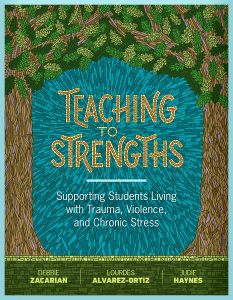
To find out more about teaching students facing adversity, see Teaching to Strengths: Supporting Students Living with Trauma, Violence, and Chronic Stress, written by Debbie Zacarian, Lourdes Alvarez-Ortiz, and Judie Haynes.
Originally published in ASCD Inservice, May 2018.
← Back to Publications & Resources
