
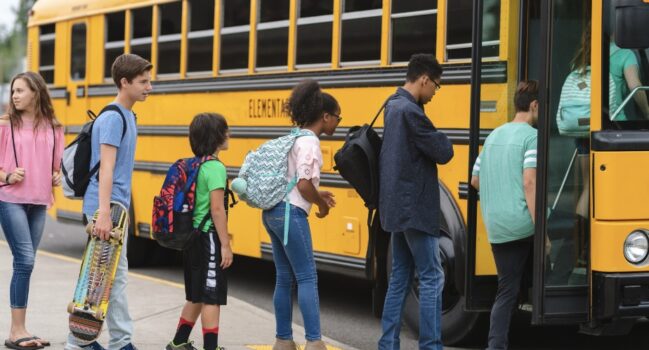

The first weeks of school can be filled with uncertainty for many students. For multilingual learners entering an unfamiliar school community, some challenging moments can occur in places educators don’t always think about—on the bus, in the cafeteria, and after school.
I asked multilingual learners what would have helped when they first enrolled in school. I also asked educators who work closely with multilingual learners what they had learned from students about those early experiences. Their responses point to practical ways we can make those first weeks less isolating and more welcoming.
When Do Multilingual Learners Feel Most Isolated?
Multilingual learners identified several particularly challenging times during their first few weeks of school. Several shared that by the time their bus arrived at school, they had shut down emotionally and could not focus on learning. Similar feelings emerged during lunch and after-school time. While language barriers were frustrating, students described feeling isolated as a significant emotional challenge.
Create Peer Connections
As educators, we can intentionally foster peer connections by considering questions such as these: Which classmates ride the same bus? Who has the same lunch schedule? Who might sit together in the cafeteria?
Answers to these questions can help us find natural opportunities for students to connect throughout the day. These connections can offer a sense of safety and belonging—something everyone wants when entering a new and unfamiliar situation.
Find Common Interests
Multilingual learners also emphasized the importance of helping students discover what they have in common.
They suggest asking students to share what they enjoy doing outside of school. Multilingual learners at beginning levels of English proficiency can participate with support from an interpreter when needed. Discovering common interests can help students connect with one another and strengthen a sense of community.
Create Opportunities for Connection
Being together in the same place does not necessarily lead to connection. Riding the same bus, sitting together in the cafeteria, or participating in an after-school activity creates an opportunity, but students also need ways to get to know one another and build relationships.
Students and educators suggest creating opportunities for students to interact around shared interests and experiences. While schools provide many opportunities for students to interact academically, clubs, extracurricular activities, games, and other social activities can help students get to know one another and develop meaningful relationships.
Supporting multilingual learners during the first weeks of school means paying attention not only to what happens in classrooms, but also to the transitions and less-structured parts of the day when students may feel most alone. When we intentionally create opportunities for connection from the start, we help students experience school as a community in which they belong.
Originally published August 6, 2024; updated August 2026.
← Back to Publications & Resources
