

During a keynote on creating the conditions in which multilingual learners flourish, I asked participants a question: What do you wish your colleagues knew about the multilingual learners you serve?
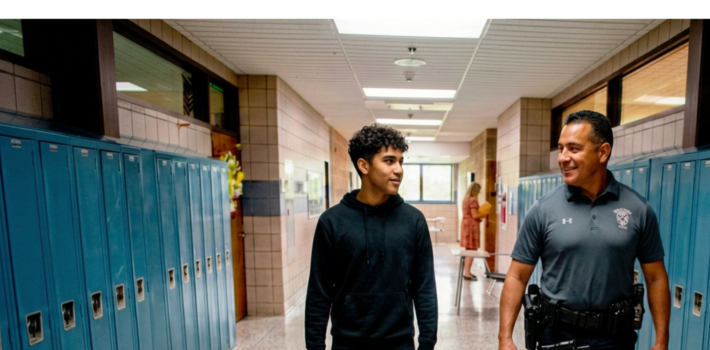
The district’s educators were participating in a professional learning day that began in a high school auditorium. Several school resource officers attended as well—not because they were required to, but because the topic mattered to them and they wanted to learn alongside members of their school community.
After participants shared their thoughts with a partner, I invited volunteers to speak. The law enforcement professionals didn’t hesitate to respond. What they shared caught many by surprise.
They explained that some multilingual learners who were frequently described as “the ones skipping class” weren’t avoiding school at all. Instead, they were in the hallways talking with them.
They described students who felt lonely, lacked confidence, and hesitated to speak English in front of classmates for fear of making mistakes. Many of these students felt more comfortable speaking with the officers in their home languages than walking into classrooms where they worried about being misunderstood.
The officers weren’t talking about discipline. They were talking about belonging.
As the keynote unfolded, the focus in the room began to shift. Instead of seeing students who were skipping class, participants began to see students searching for connection. The officers weren’t excusing the students’ behavior. They were helping everyone understand it. As participants engaged in the interactive activities that followed, many returned to the officers’ insights as they reflected on how schools can strengthen students’ sense of belonging.
Their comments were a powerful reminder that every adult in a school influences a student’s experience.
These officers had taken the time to know many of the multilingual learners in their school. Because of those relationships, they recognized something others might have missed: beneath the behavior was a student trying to find a place where they felt safe, known, and accepted.
That conversation reminded us that relationships do more than help students feel welcome. They help us understand experiences that behavior alone cannot explain. When we know our students well, we ask different questions, make more thoughtful instructional decisions, and respond with greater empathy before rushing to judgment.
As educators, every interaction helps shape whether students experience school as a place where they belong. That responsibility extends far beyond the classroom and includes every adult in the building.
As we continue working to create schools where multilingual learners feel known, valued, and supported, consider:
What is one thing you hope your colleagues understand about the multilingual learners they will be serving?
← Back to Publications & Resources
