Elevating Strengths: Supporting Multilingual Learners Facing Adversity

Discover practical, strengths-based strategies for supporting multilingual learners facing adversity while fostering belonging, engagement, resilience, and high expectations.

Discover practical, strengths-based strategies for supporting multilingual learners facing adversity while fostering belonging, engagement, resilience, and high expectations.
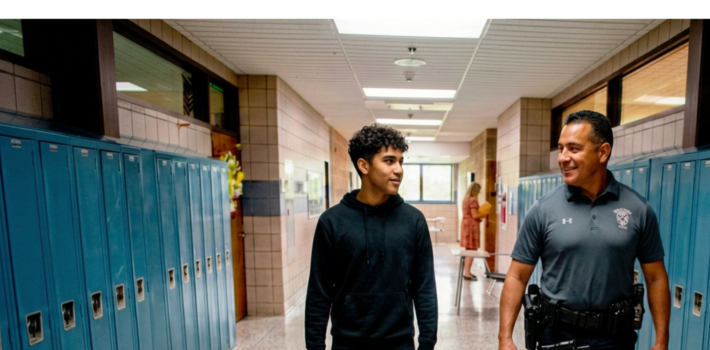
What can appear to be student disengagement may actually be a search for connection. A powerful exchange with school resource officers offers an important reminder of how relationships can help us better understand multilingual learners and strengthen their sense of belonging.
Multilingual learners facing adversity may develop strengths that are not always visible in school. A strengths-based approach helps educators recognize these capacities and create conditions for belonging, agency, learning, and opportunity.
When children experience fear and uncertainty, learning and well-being are affected. Educators can respond by listening, protecting students’ dignity and safety, and creating the conditions children need to learn.
How can educators help multilingual learners develop empowerment, agency, and resilience? A strengths-based approach creates identity-safe environments where students can recognize their strengths, exercise their voices and choices, and develop the confidence to navigate challenges.
When multilingual learners face significant adversity, educators may feel unsure how to help. An empathetic, strengths-based approach shifts the focus from perceived deficits to students’ strengths, resilience, belonging, and potential.
Creating identity-safe schools begins with a culture of caring, trust, and compassion. Educational leaders can strengthen belonging by welcoming multilingual learners and families, listening actively, and fostering caring home-school relationships.
When schools and families work together to honor students’ identities, they strengthen belonging, confidence, and agency. Identity-safe, strengths-based practices can help children recognize their strengths, navigate adversity, and advocate for themselves and others.
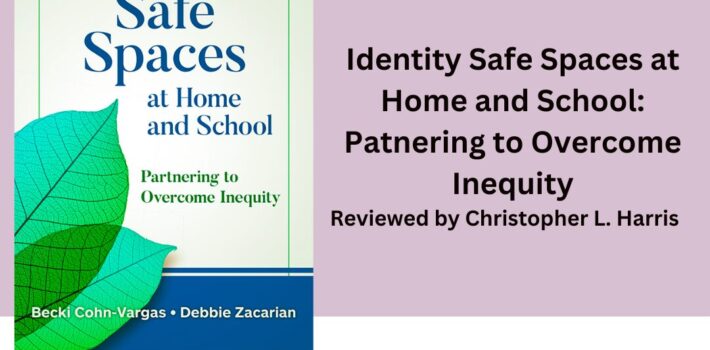
Teachers College Record reviews Identity Safe Spaces at Home and School, highlighting its research-based, practical approach to identity safety, belonging, equity, and school-family partnerships.
Creating identity-safe environments requires meaningful partnerships among schools, families, and communities. Explore how strengths-based practices can foster belonging, agency, resilience, and positive identity development for all students.
Recovery has a way of reminding us that healing cannot be rushed. After a total hip replacement—and repeated reminders to slow down—I learned the value of patience, perspective, and giving ourselves time to heal.
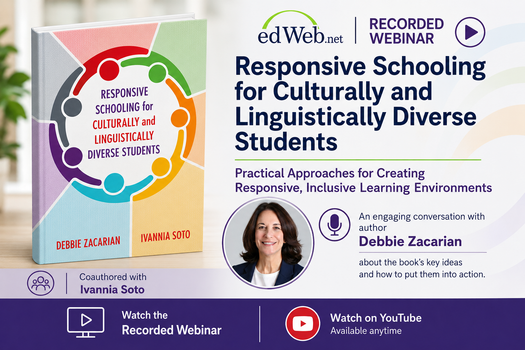
This recorded webinar explores key ideas from Responsive Schooling for Culturally and Linguistically Diverse Students and practical approaches for creating responsive, inclusive learning environments.