

Every day, educators teach multilingual learners whose experiences extend far beyond what schools typically know about them. While information such as home language, educational background, English language development, and academic performance is important, it tells only part of each student’s story. Some multilingual learners have experienced trauma, violence, displacement, loss, or chronic stress. Recognizing these experiences—and the strengths students develop in response to them—is essential for creating supportive, inclusive learning environments.
Understanding the Impact of Adversity
Decisions about language education programs and instruction are often informed by data such as home language, educational background, English language development, and academic performance. While this information is important, it does not provide a complete picture of students’ experiences. Some multilingual learners may also be navigating displacement, loss, violence, trauma, or chronic stress—experiences that can affect their participation, relationships, and learning in school.
Understanding the Impact of Adversity
Multilingual learners may experience displacement, migration, family separation, poverty, community violence, discrimination, housing instability, immigration uncertainty, or other forms of adversity. These experiences can affect students in different ways and should not be assumed to define them. The following practices can help educators respond to adversity while intentionally recognizing and building on students’ strengths.
Build on Students’ Strengths Through Empathetic Teaching
Multilingual learners bring many strengths and assets to their learning. These may include:
- adaptability
- perseverance
- multilingual communication
- cultural knowledge
- empathy
- problem solving
- resilience
Recognizing these strengths can influence how educators teach, design learning experiences, build relationships, and create opportunities for students to thrive. Educators can intentionally draw on students’ strengths to foster safety, belonging, and competence through modeling, structured practice opportunities, and a gradual release of responsibility.
Create Collaborative Systems of Support
Students experiencing adversity may respond to uncertainty or situations that feel beyond their control in different ways. Schools can provide important sources of stability, connection, and support. To strengthen these supports:
- Create a collaborative team of counselors, teachers, support staff, and other professionals—including multilingual and multicultural staff and interpreters—to develop supports that are responsive to students’ personal, social, linguistic, cultural, and educational experiences.
- Provide ongoing professional learning to help team members deepen their understanding of multilingual learners experiencing adversity and develop strengths-based approaches to support students’ learning, belonging, and well-being.
Establish Predictable, Supportive Learning Environments
Predictable routines and systematic, explicit instruction can provide important sources of stability and support. Instruction should be responsive to students’ developmental levels and their language and literacy development. Educators can:
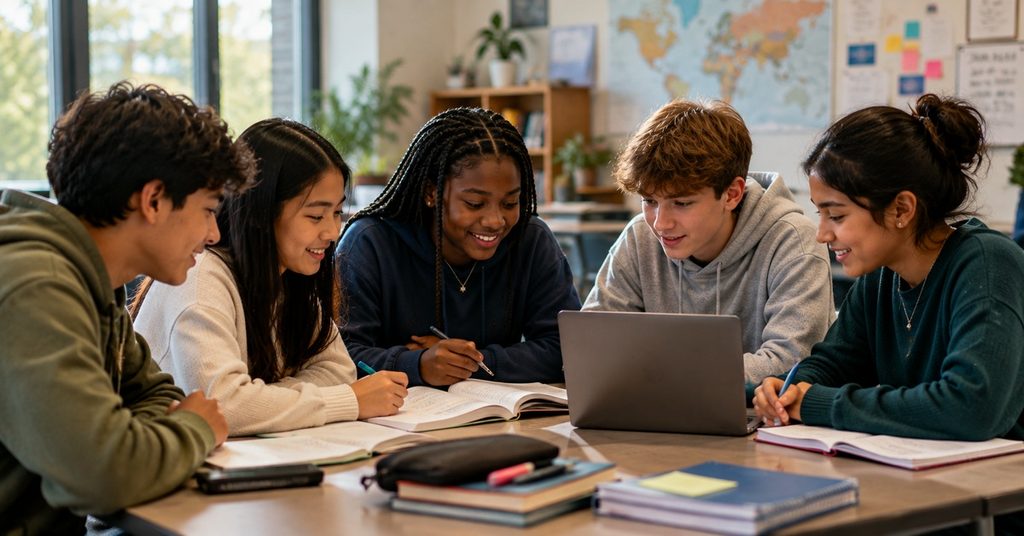
- engage students in meaningful collaborative learning;
- provide frequent opportunities for student voice and choice;
- create conditions that foster safety and belonging;
- affirm and build on multilingualism; and
- draw on the knowledge and expertise of families.
Support Student Access to Services
Families may not always have ready access to information about the programs and services available to school-aged children and their families, such as public preschool, after-school programs, health services, and legal assistance. Educators can play an important role in helping families navigate and access these resources by collaborating with school support staff and trusted community-based organizations.
Supporting multilingual learners living with adversity begins by recognizing that their experiences do not define them. Their strengths, languages, cultures, relationships, and aspirations provide the foundation for learning. When educators intentionally build on these assets through empathetic, strengths-based practices, they create classrooms where multilingual learners experience safety, belonging, competence, and opportunities to flourish. Empathetic, strengths-based practices create classrooms where multilingual learners experience safety, belonging, competence, and opportunities to flourish.
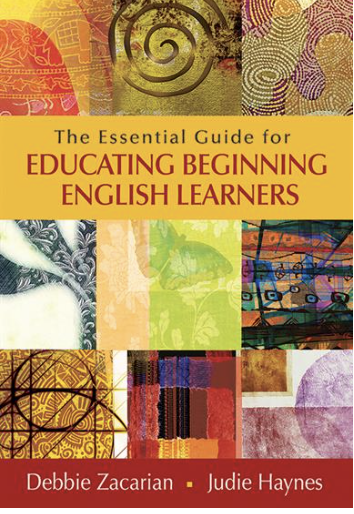
Originally published in TESOL blog, 2015. This article draws from Debbie Zacarian and Judie Haynes’ The Essential Guide for Educating Beginning English Learners (Corwin, 2012).
← Back to Publications & Resources
