
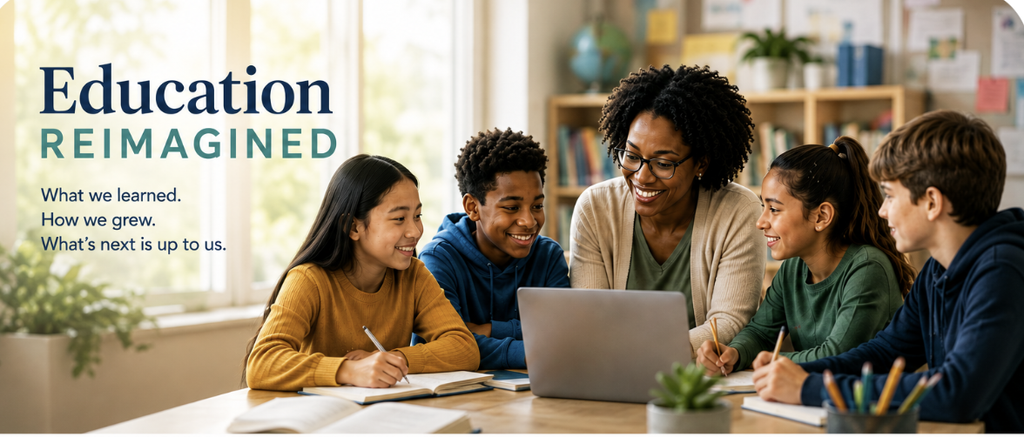
With so much attention on “learning loss” and failures to reach students, we might miss the many positives that we experienced. What we learned, how we coped, and how we attended to our students and ourselves are well worth examining. This once-in-a-century crisis challenged us to re-envision, reimagine, and re-embrace the ideals of education so that we could better reach even our most marginalized students.
It is important to look at the roles our local communities played and how we banded together and supported one another to move forward. It is also important to consider what we gained from learning and working together, as well as what we discovered through virtual, hybrid, and in-person learning. There is much worth carrying forward.
Rather than simply returning to what we once were and idealizing our past practices, we can learn from the shifts we made. As herculean as our efforts were, our work to care for and teach students beyond the traditional boundaries of classrooms and schools offers important lessons. While there has never been a magic bullet for making education work, what we learned during this period deserves our continued attention.
We saw the pandemic’s enormous force. The challenge is to carry forward what we learned in ways that make our next steps full of possibility, hope, and inspiration.
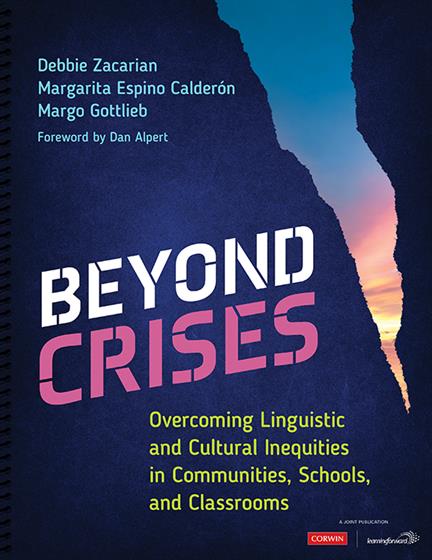
These ideas are explored further in the best-selling book Beyond Crises: Overcoming Linguistic and Cultural Inequities in Communities, Schools and Classrooms, coauthored by Debbie Zacarian, Margarita Calderón, and Margo Gottlieb.